Support Kritika | Support H-Net | Buy Books Here | Join the NBN and NBN en Español on Patreon | Visit New Books Network en Español!
- African Studies
- African American Studies
- American Politics
- American Studies
- American South
- American West
- Asian American Studies
- Asian Politics
- Australian and New Zealand Studies
- British Studies
- Canadian Studies
- Caribbean Studies
- Central Asian Studies
- Chinese Studies
- East Asian Studies
- Eastern European Studies
- European Politics
- French Studies
- German Studies
- Iberian Studies
- India Studies
- Indian Ocean World
- Indigenous Studies
- Iranian Studies
- Irish Studies
- Israel Studies
- Italian Studies
- Japanese Studies
- Korean Studies
- Latino Studies
- Latin American Studies
- Mexican Studies
- Middle Eastern Studies
- Pacific Studies
- Polish Studies
- Russian and Eurasian Studies
- Southeast Asian Studies
- South Asian Studies
- Taiwan Studies
- Turkish Studies
- Ukrainian Studies
- Western European Studies
- World Affairs
- Animal Studies
- Anthropology
- Archaeology
- Business, Management, and Marketing
- Media and Communications
- Critical Theory
- Disability Studies
- Drugs, Addiction and Recovery
- Education
- Economics
- Finance
- Geography
- Gender Studies
- Genocide Studies
- Higher Education
- Human Rights
- Journalism
- Language and Translation
- Law
- LGBTQ+ Studies
- National Security
- Philanthropy
- Philosophy
- Policing, Incarceration, and Reform
- Political Science
- Politics & Polemics
- Postcolonial Studies
- Public Policy
- Sex, Sexuality, and Sex Work
- Sociology
- Sound Studies
- Sports
- Urban Studies
- Big Ideas
- Celebration Studies
- Co-Authored
- Cover Story
- Historical Materialism
- History Ex Silo
- Interpretive Political and Social Science
- Invested Investor
- Landscape Architecture
- Mormonism
- NBN Seminar
- New Books with Miranda Melcher
- On the Cusp: Between Strategy and Ethics
- Postscript: Conversations on Politics and Political Science
- Practical History
- Preparing for Life After Grad School
- Psychology and Climate Change
- Syriac Studies
- The Chair: In The Room at the Fed
- Oceanic Studies









































Aug 29, 2026
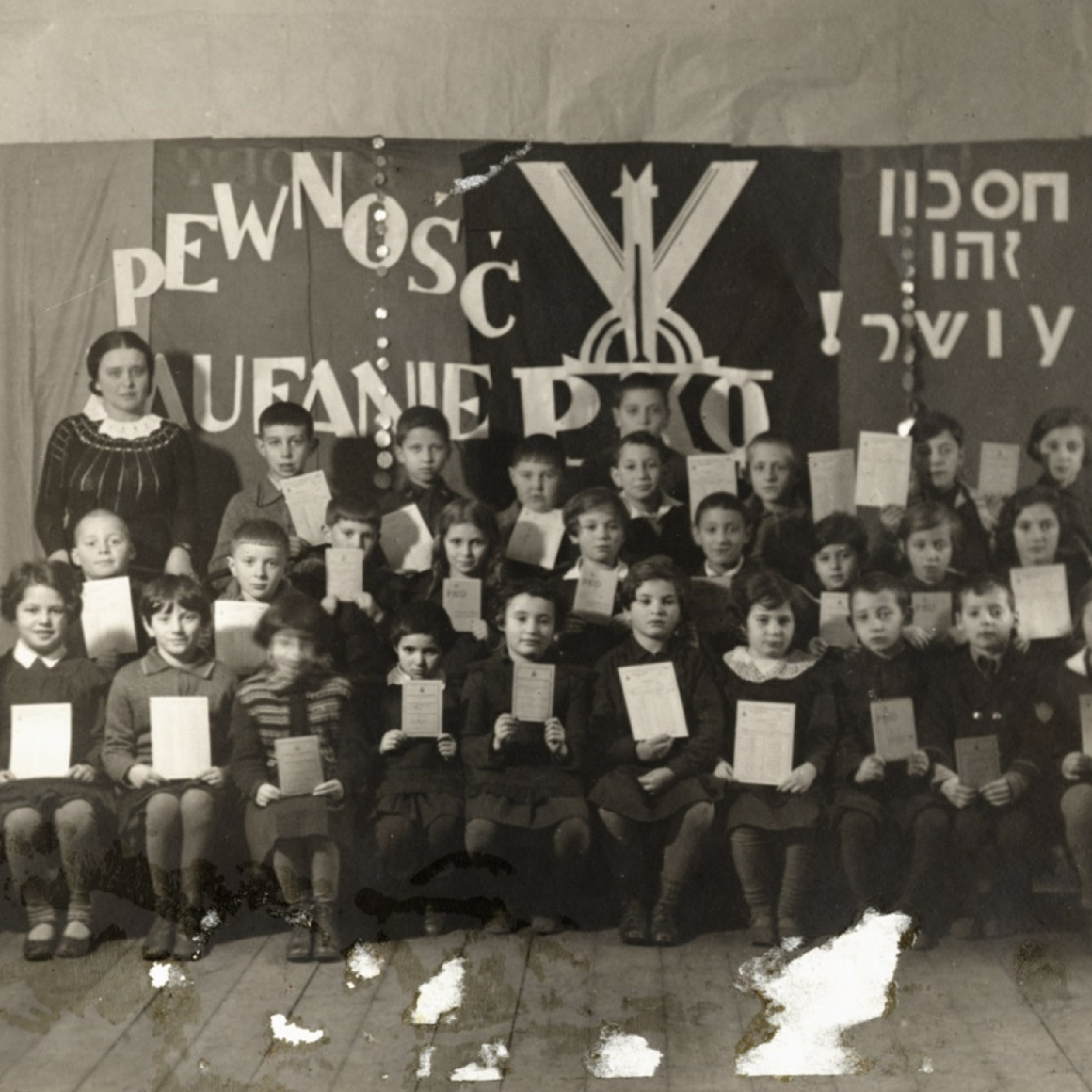
Educating for an Uncertain Future in Interwar Poland
Summary
In the two decades between the First and Second World Wars, Jewish parents in Poland faced a proliferation of choices when it came to educating their children. Each choice offered a vision of what future Polish Jews desired, what they expected, and the gap between the two. State schools taught in Polish (sometimes with a schedule to accommodate traditional religious observance), secularist Yiddish schools with strong ties to Jewish socialism and the labor movement, Hebraist schools promoting political and cultural Zionism, and religious schools that retained--or innovated upon--traditionalist educational models reflected different opinions for what Jewish children in interwar Poland would need in the present to secure their future.
In this lecture, Elena Hoffenberg draws upon materials held by YIVO to explore how projections about the future in terms of work, culture, and politics guided parents, educational activists, and young people themselves. Choices as reflections of competing political and religious commitments, as well as material constraints, to better understand what Polish Jews expected for their individual and communal futures.
This lecture originally took place on March 2, 2026.
Related Topics
Your Host
YIVO Institute
A podcast from the YIVO Institute for Jewish Research featuring talks, lectures, and cultural programming on Jewish history, language, and culture. Learn more at www.yivo.org


Comments