Support Kritika | Support H-Net | Buy Books Here | Join the NBN and NBN en Español on Patreon | Visit New Books Network en Español!
- African Studies
- African American Studies
- American Politics
- American Studies
- American South
- American West
- Asian American Studies
- Asian Politics
- Australian and New Zealand Studies
- British Studies
- Canadian Studies
- Caribbean Studies
- Central Asian Studies
- Chinese Studies
- East Asian Studies
- Eastern European Studies
- European Politics
- French Studies
- German Studies
- Iberian Studies
- India Studies
- Indian Ocean World
- Indigenous Studies
- Iranian Studies
- Irish Studies
- Israel Studies
- Italian Studies
- Japanese Studies
- Korean Studies
- Latino Studies
- Latin American Studies
- Mexican Studies
- Middle Eastern Studies
- Pacific Studies
- Polish Studies
- Russian and Eurasian Studies
- Southeast Asian Studies
- South Asian Studies
- Taiwan Studies
- Turkish Studies
- Ukrainian Studies
- Western European Studies
- World Affairs
- Animal Studies
- Anthropology
- Archaeology
- Business, Management, and Marketing
- Media and Communications
- Critical Theory
- Disability Studies
- Drugs, Addiction and Recovery
- Education
- Economics
- Finance
- Geography
- Gender Studies
- Genocide Studies
- Higher Education
- Human Rights
- Journalism
- Language and Translation
- Law
- LGBTQ+ Studies
- National Security
- Philanthropy
- Philosophy
- Policing, Incarceration, and Reform
- Political Science
- Politics & Polemics
- Postcolonial Studies
- Public Policy
- Sex, Sexuality, and Sex Work
- Sociology
- Sound Studies
- Sports
- Urban Studies
- Big Ideas
- Celebration Studies
- Co-Authored
- Cover Story
- Historical Materialism
- History Ex Silo
- Interpretive Political and Social Science
- Invested Investor
- Landscape Architecture
- Mormonism
- NBN Seminar
- New Books with Miranda Melcher
- On the Cusp: Between Strategy and Ethics
- Postscript: Conversations on Politics and Political Science
- Practical History
- Preparing for Life After Grad School
- Psychology and Climate Change
- Syriac Studies
- The Chair: In The Room at the Fed
- Oceanic Studies







































May 26, 2026
Why Elected Leaders Subvert Democracy
Summary
When we think about threats to democracy, we often imagine dramatic breakdowns—military coups, constitutional crises, or sudden collapses. But today, a common danger is slower and less visible: democratic erosion driven by elected leaders themselves. Across different regions, presidents and prime ministers are weakening institutions, undermining accountability, and reshaping the rules of the game from within. Why is this happening now, and why do voters sometimes tolerate it?
In this episode, CEDAR host Temitayo Odeyemi speaks with Susan Stokes about her article in the Journal of Democracy, “Why Elected Leaders Subvert Democracy,” and what it reveals about the changing nature of democratic backsliding in the twenty-first century. Drawing on this work, as well as her recent book The Backsliders: Why Leaders Undermine Their Own Democracies (Princeton University Press, 2025), the conversation explores how rising inequality, shifting party systems, and deepening polarisation create openings for backsliding leaders, and how strategies such as “democratic trash talk” can erode public trust in institutions.
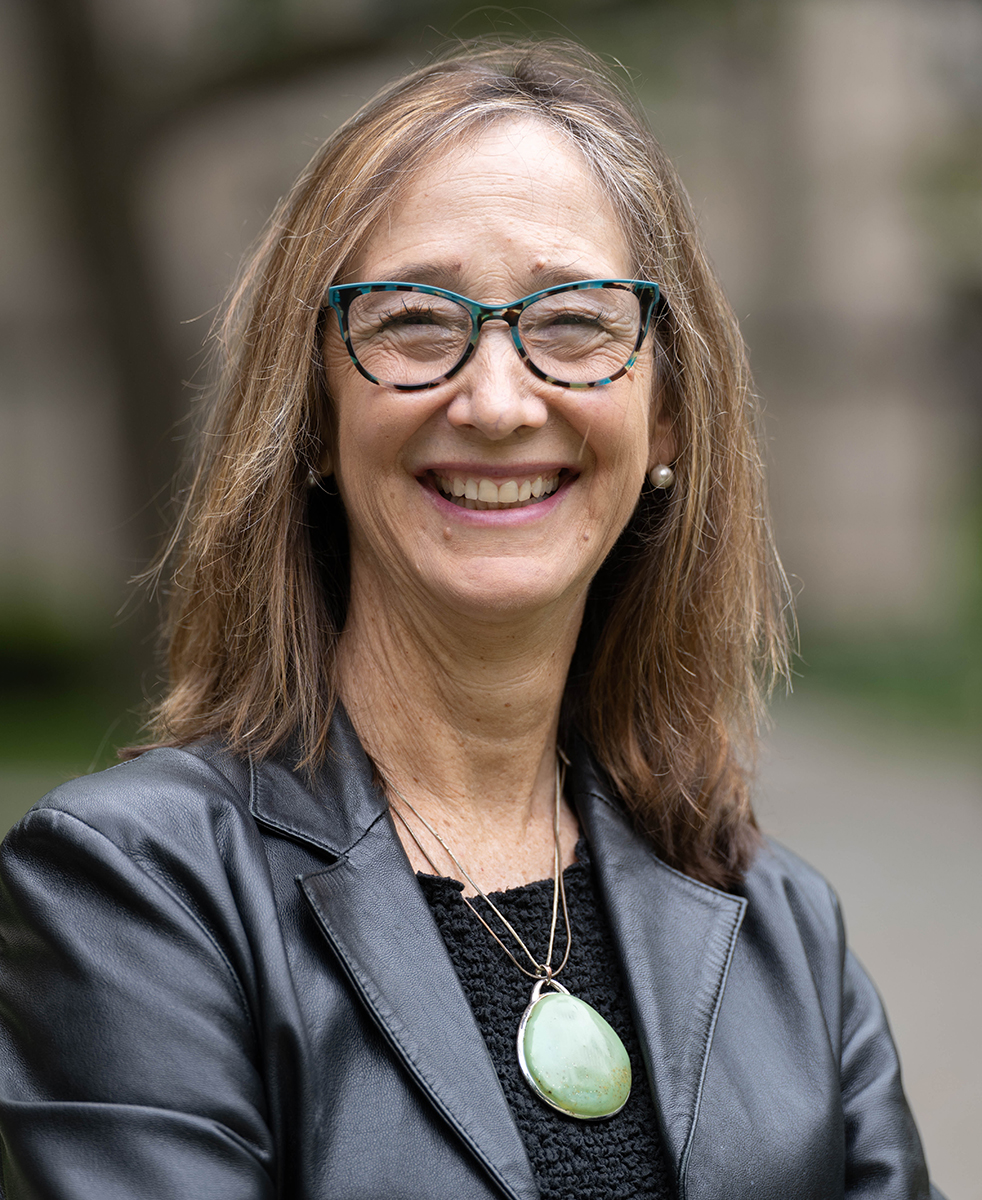
Susan Stokes is the Tiffany and Margaret Blake Distinguished Service Professor and Director of the Chicago Center on Democracy at the University of Chicago. Her research focuses on democratic theory, distributive politics, and comparative political behaviour.
Temitayo Odeyemi is a Research Fellow in Democratic Resilience at the University of Birmingham’s Centre for Elections, Democracy, Accountability and Representation (CEDAR).
The People, Power, Politics podcast brings you the latest insights into the factors that are shaping and reshaping our political world. It is brought to you by the Centre for Elections, Democracy, Accountability and Representation at the University of Birmingham, United Kingdom. Join us to better understand the forces that promote and undermine democratic government around the world.
Transcript here


Comments